
Media literacy crash courses for young people
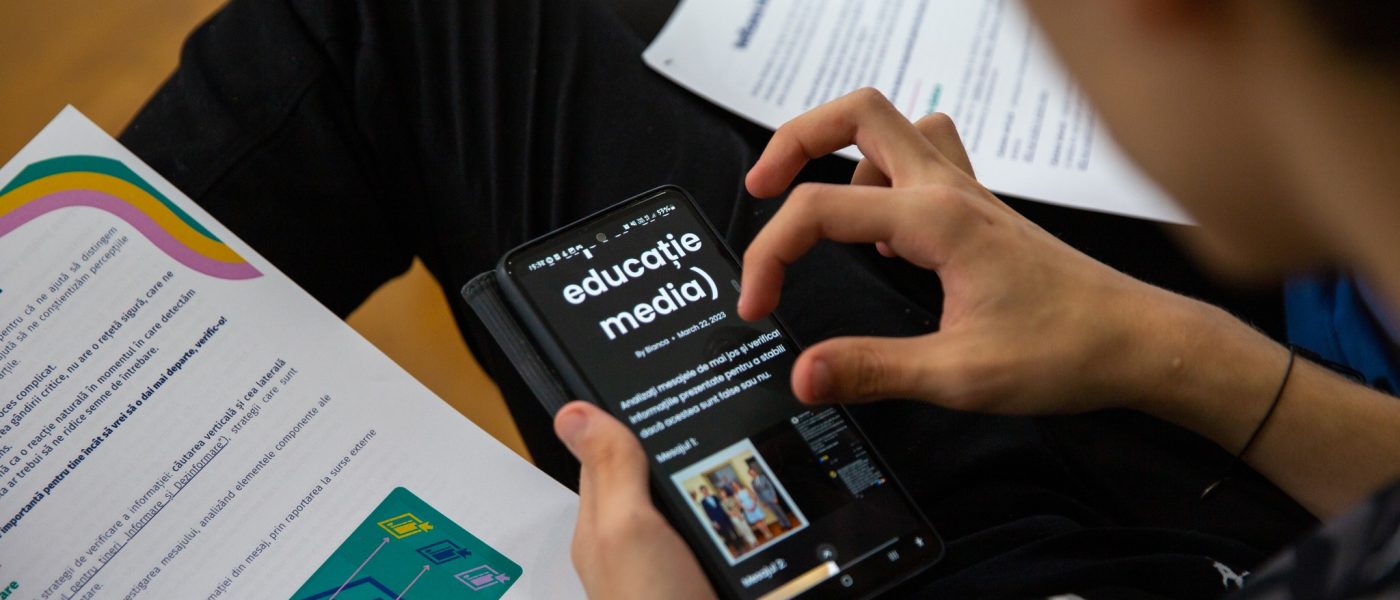
What is the difference between a fact and an opinion? What are the biases? How do we check the information we see on social media? The children we worked with this spring in Bacău and Brașov, during our media literacy workshops, can give you the answers.
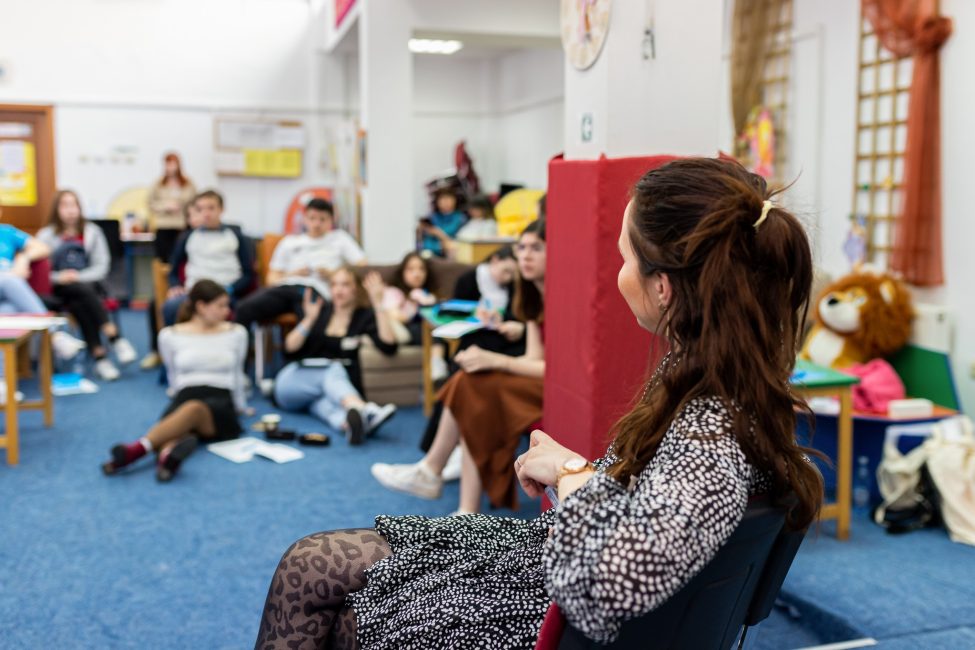
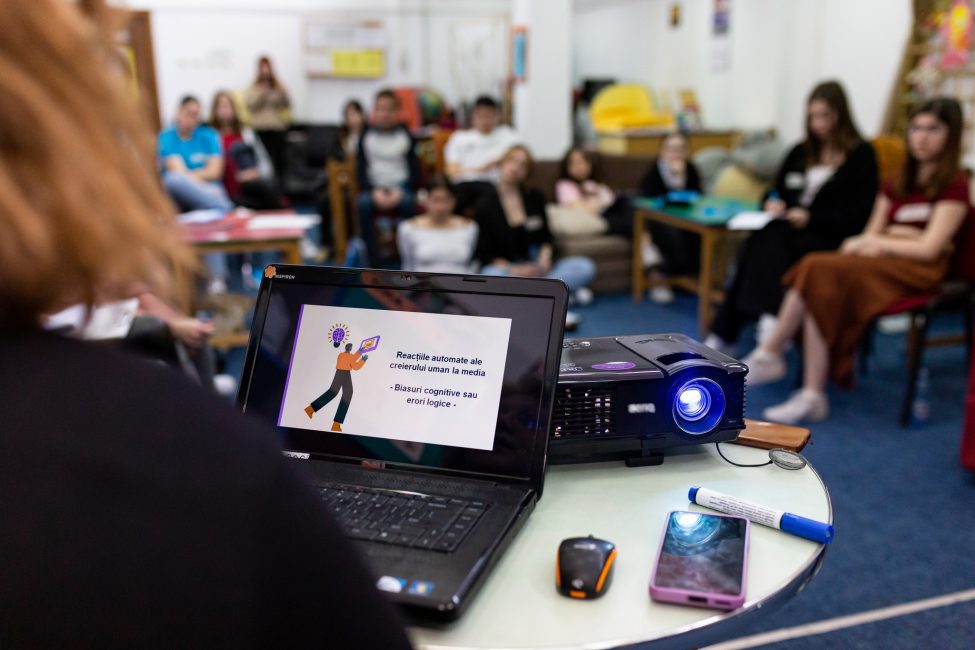
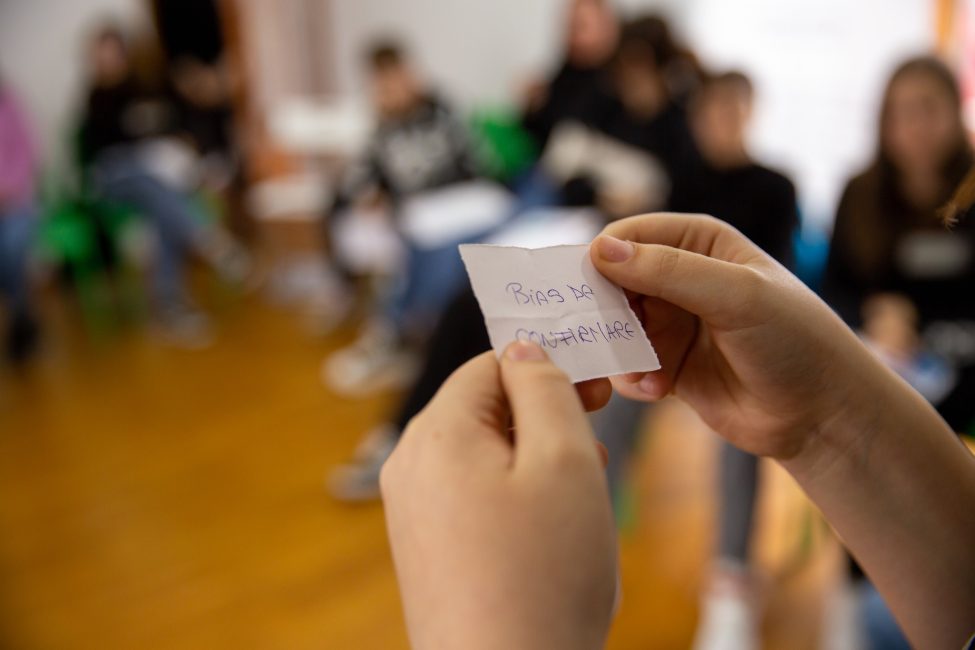
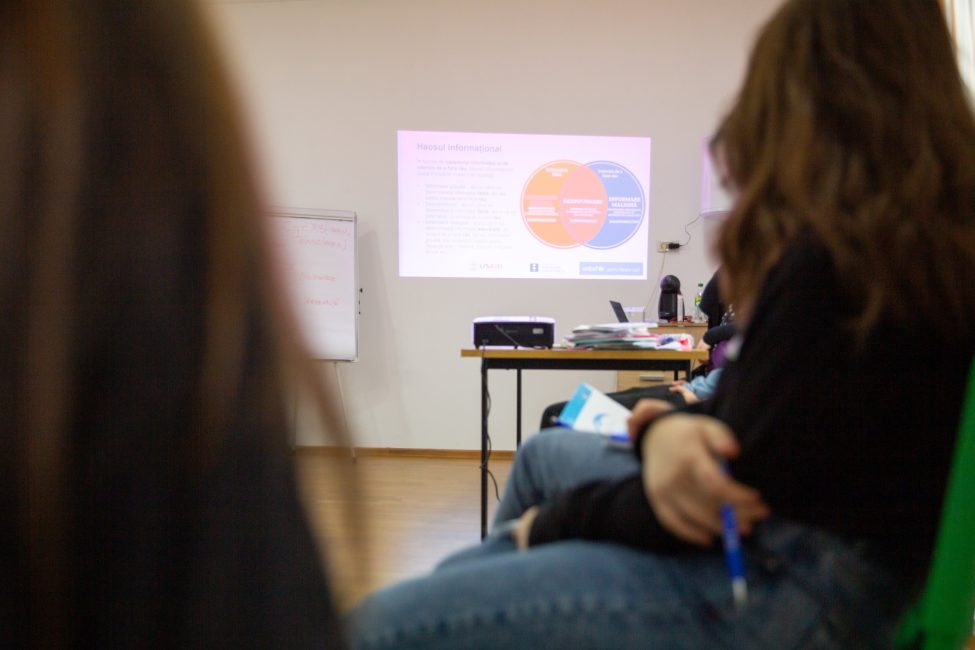
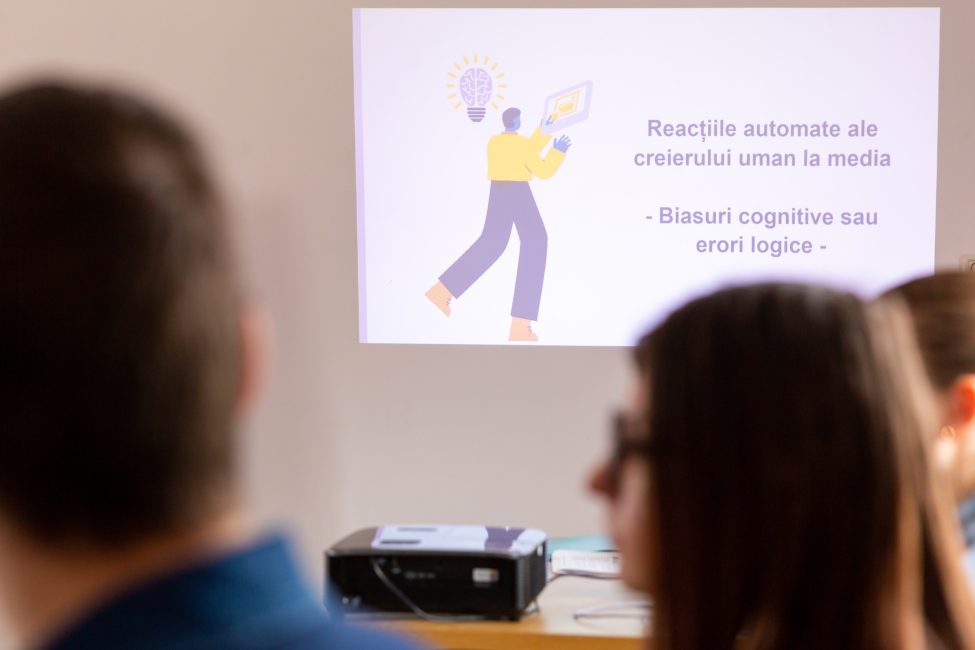
We trained 20 teenagers every day to fight misinformation: on 25 and 26 March in Brasov and on 1 and 2 March in Bacău. During the workshops “FAKE or NEWS. Media literacy crash course” we worked with a total of 80 young people who discovered what misinformation and biases are, as well as how to distinguish between facts and opinions.

Why do young people enjoy media literacy
We asked them for an interesting idea they heard at the workshop that they would share with their friends and here’s what they said:
“I’ll tell them about fact-checking websites.”
“The importance of checking information and news in a variety of ways.”
“I will definitely tell my friends about the news topics discussed and how important it is to differentiate true information from clickbait and conspiracy theories.”
“That all information must be filtered.”
“Search strategies for verifying information.”
“That we consume more media than we think we do.”
“The difference between facts and opinions and how we should notice it and take it into account when validating news/information.
“We need to have a dose of scepticism when we receive new information and we should not be guided by feelings.”
The workshops aim to compress as much knowledge and media literacy skills as possible during the 8 hour classes; knowledge that young people can later use to filter the news or information they see in their social media feeds. The workshops aim to compress as much knowledge and media literacy skills as possible during the 8 hour classes; knowledge that young people can later use to filter the news or information they see in their social media feeds. In this way, they will be able to differentiate between information they can rely on and information designed to mislead them, by being careful to the sources they read, and the people expressing opinions, whether they are relevant or not. How did they learn to do this? By analysing texts and videos together with the trainers and, towards the end of the workshop, by working in teams in order to put into practice fact checking techniques that helped them identify whether certain news stories are fake or not.
Impressions at the end of the workshops
What did the children enjoy most about the workshops?
“The games, the well-structured information, the atmosphere and the teamwork.”
“The attractive presentation, the interactive activities, the variety of information presented and the originality of the ideas.”
“Practical exercises, topical examples and visual support.”
“Interactive games, suggested examples, friendly atmosphere.”
What did we like the most? Finding out what young people think about some of the influencers we discussed, discovering new examples of fake news, which they showed us, and seeing a group of young people who are receptive to learning more about the media.
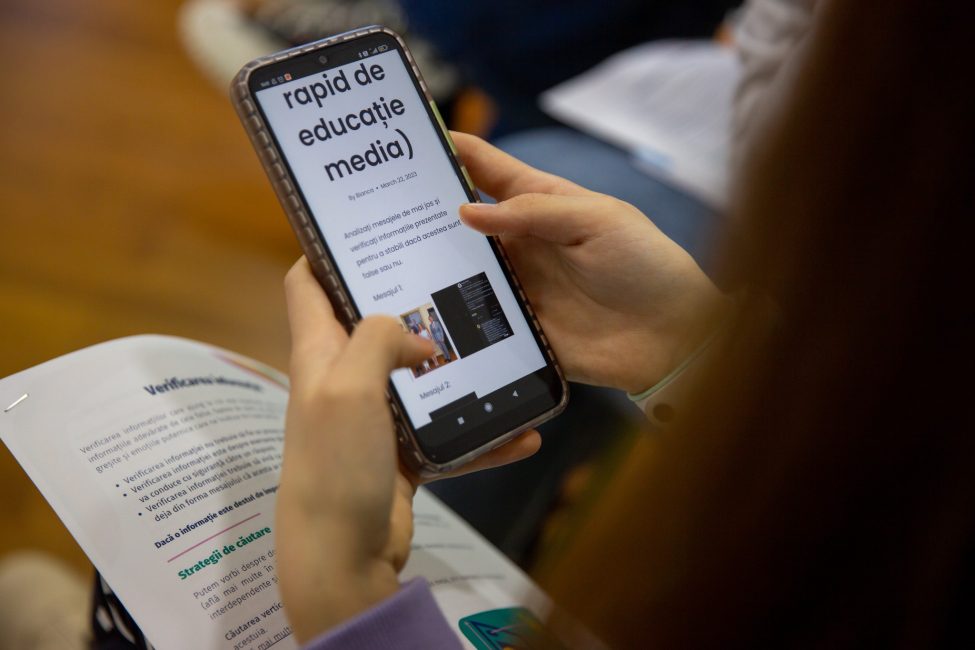
The workshops “FAKE or NEWS. Media Literacy Crash Course” are part of the project “Media and Information Literacy (MIL) – Tool for Increasing Adolescents Civil Participation Skills (Phase 2). Helping communities to be better protected from the infodemic”.), conducted by the Centre for Independent Journalism, with the support of UNICEF Romania. Within the same project, media literacy workshops for young Ukrainians living in Romania will be held.
